

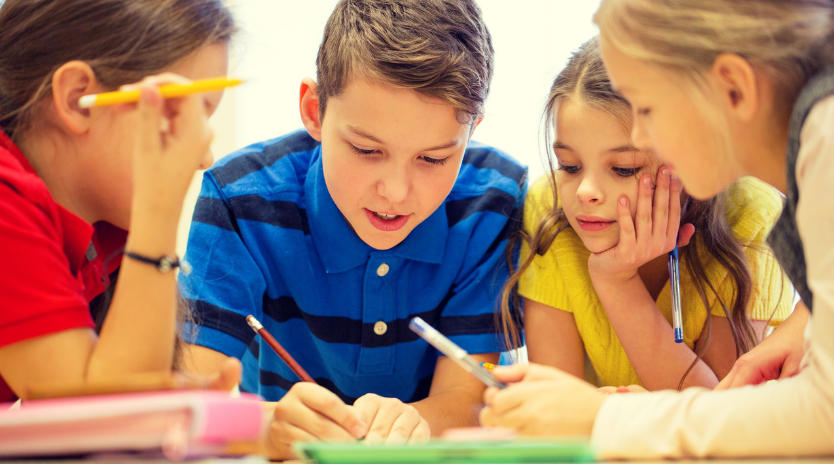
When selecting a school for your child, one of the most important factors to consider is class size. While it’s easy to focus on curriculum, extracurricular activities, or location, the number of students in a classroom can significantly impact your child’s academic success, social development, and overall well-being. Small class sizes are often associated with better learning outcomes, stronger teacher-student relationships, and a more supportive environment. But why exactly do they matter, and how can they benefit your child?
In this article, we’ll explore four key reasons why small class sizes are a game-changer when it comes to choosing the right private school Miami offers.
What Are Small Class Sizes and How Are They Defined?
Before diving into the benefits, let’s clarify what small class sizes actually mean. In general, a small class size is defined as:
- Pre-K to 2nd grade: 10–15 students per teacher.
- 3rd to 5th grade: 15–20 students per teacher.
- Middle school (6th–8th grade): 15–22 students per teacher.
For comparison, large class sizes typically range from 25 to 30+ students per teacher, which can make it difficult for educators to give each child the attention they deserve. It might not sound like much, but the difference is significant. In a small class, teachers can engage deeply with each student, while in a large class, students often get lost in the crowd. The ideal class size ensures that no child is overlooked and that every student has the opportunity to participate, ask questions, and receive personalized feedback.
One-on-One Attention for Your Child
One of the biggest advantages of small class sizes is the personalized attention your child receives. With fewer students, teachers can focus on each child’s unique needs, whether they’re excelling in a subject or need extra help. This is especially important in early grades, where foundational skills like reading and math are developed.
Imagine a classroom where your child’s teacher knows their name, their strengths, and their challenges. They can adjust lessons to fit your child’s pace, ensuring they fully understand the material before moving on. This level of attention is nearly impossible in a large class, where teachers often struggle to keep up with the needs of 25+ students.
In contrast, a large class (25+ students) often means teachers spend more time managing behavior and less time engaging directly with students. Students may wait days or even weeks for help with a question, leading to frustration and falling behind. Research shows that in smaller classes, teachers spend less time on discipline and more time building relationships with students. This creates a focused, supportive environment where every child can thrive.
Better Grades, Test Scores, and Long-Term Success
Small class sizes aren’t just about comfort, they directly improve academic performance. When students receive more attention from their teachers, they’re more likely to understand and retain information, leading to higher grades and improved test scores. In fact, studies have found that students in smaller classes:
- Perform better on standardized tests in reading and math.
- Experience fewer disciplinary issues, creating a more stable learning environment.
- Are more likely to graduate from high school and pursue higher education.
For parents, this means investing in a school with small class sizes could pay off in the long run, giving your child a competitive edge as they transition to high school and beyond. It’s not just about getting better grades, it’s about building confidence, critical thinking skills, and a love for learning that lasts a lifetime.
Stronger Social Skills and Emotional Well-Being
Beyond academics, small class sizes at a quality private school Miami families choose, promote stronger social and emotional growth. In a smaller setting, students feel more comfortable participating, asking questions, and taking risks in their learning. This is especially important for shy or introverted children, who might struggle to speak up in a larger classroom.
Teachers in small classes also have the time and space to address social dynamics, helping students build empathy, collaboration, and conflict-resolution skills. Fewer students mean less competition and fewer instances of bullying, creating a safer and more inclusive environment for all. For middle school students, who are navigating complex social landscapes, small class sizes can provide a sense of belonging and community. When students feel seen and supported, they’re more likely to engage in class discussions, form meaningful friendships, and develop a positive attitude toward school.
Why Educators Thrive in Smaller Classrooms
Small class sizes don’t just benefit students; they also empower teachers to do their best work. With fewer students to manage, educators can:
- Spend more time planning engaging lessons instead of handling behavioral issues.
- Provide timely feedback on assignments, helping students improve faster.
- Build stronger relationships with each student, understanding their strengths, weaknesses, and learning styles.
When teachers have the time and resources to focus on instruction rather than discipline, the entire classroom dynamic improves. Students feel more motivated, and parents can rest assured that their child is receiving a high-quality education tailored to their needs.
Choosing a school with small class sizes is about more than just avoiding crowded classrooms; it’s about investing in your child’s academic, social, and emotional growth. From personalized attention to better grades and a supportive environment, the benefits of smaller classes are clear at a top private school Miami offers. By prioritizing small class sizes, you’re giving your child the best possible start in their educational journey and setting them up for success in high school, college, and beyond.